An institute dedicated to a single subject
Instituto Giovanni Nascimento works exclusively with implant-supported rehabilitation, from diagnosis to maintenance.
04
Technology
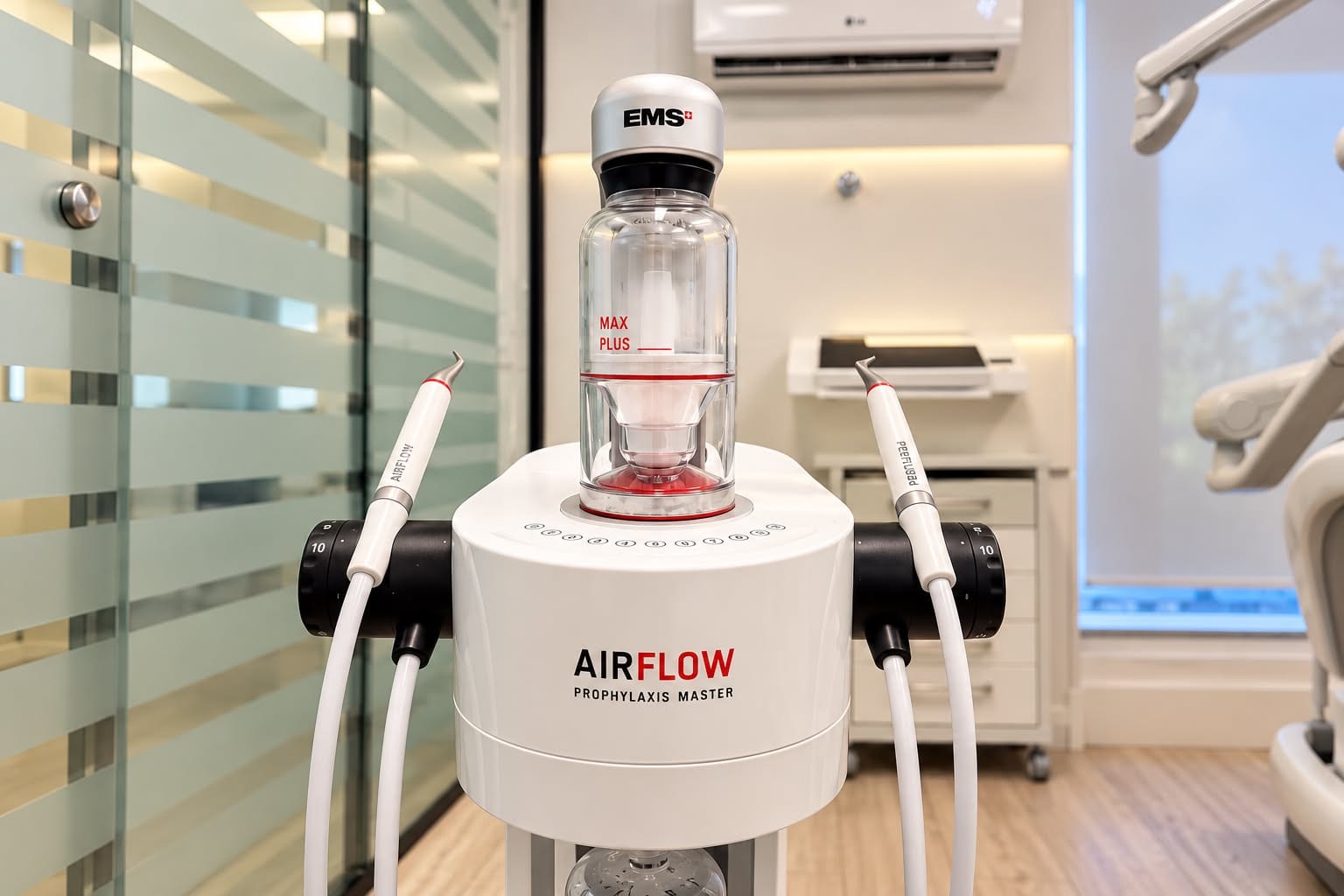
Imaging diagnosis and guided surgery.
02
Our approach
Plan first, then operate
No surgery begins before the result has been defined. The CBCT scan is cross-referenced with the prosthesis plan to decide the position, angle and depth of each implant before the first incision.
This sequence — prosthesis planned first, surgery carried out next — is what allows precise surgical guides, less time in the chair and a result that was already foreseen on paper.
03
What defines us
Every detail is decided before it is carried out
Unhurried consultations
The initial evaluation sets aside time for the exam, the reading of the CBCT scan and an explanation of the plan with the patient.
Controlled environment
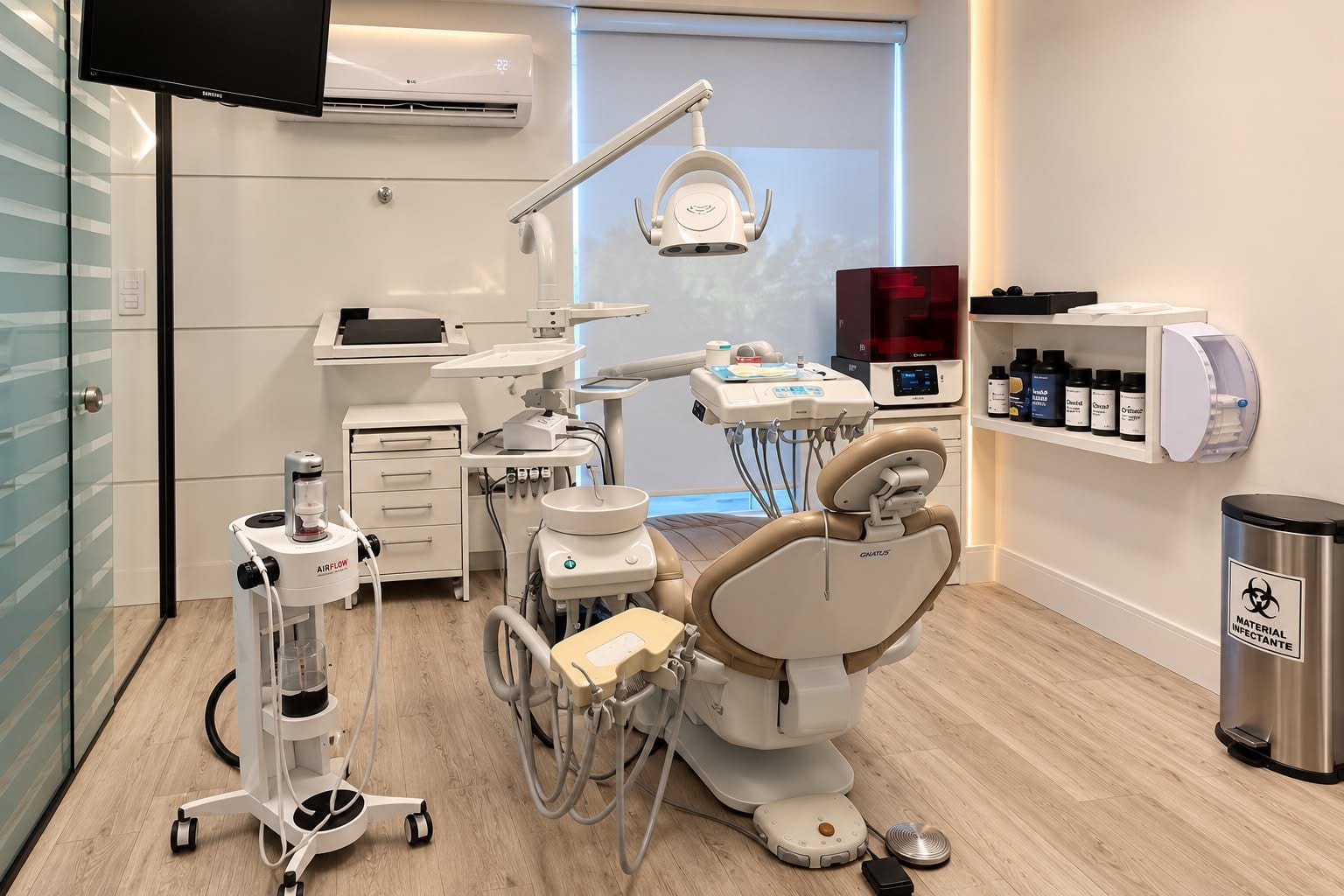
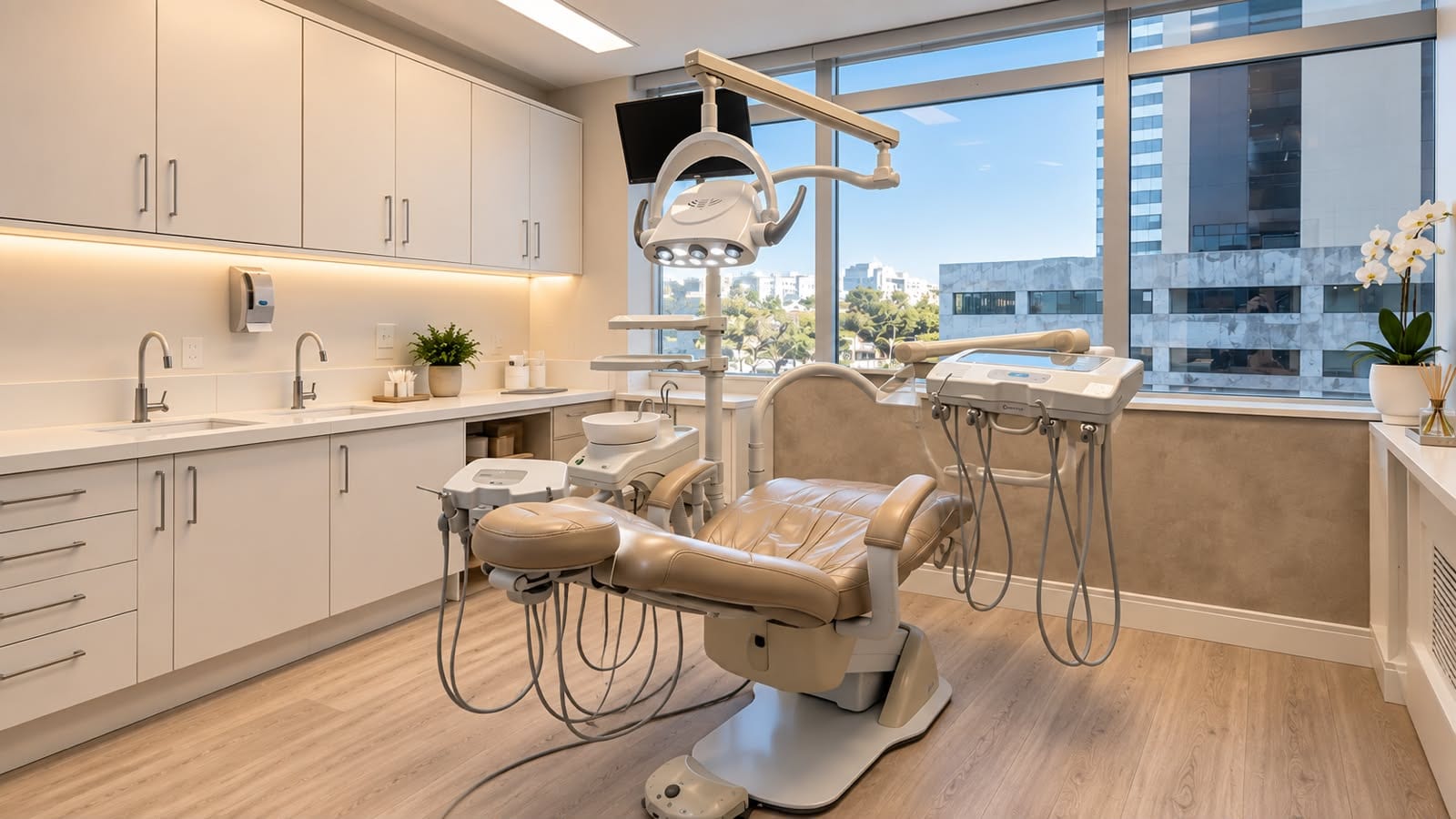
A dedicated surgical room, a biosafety workflow and instruments reserved for implant dentistry.
Where we are
Centro Empresarial Thomé de Souza, on Av. ACM — on-site parking and easy access from anywhere in Salvador.
Follow-up
Periodic checks of the prosthesis and of the tissues around the implant, included in the treatment plan.
05
The specialist
Who leads your treatment
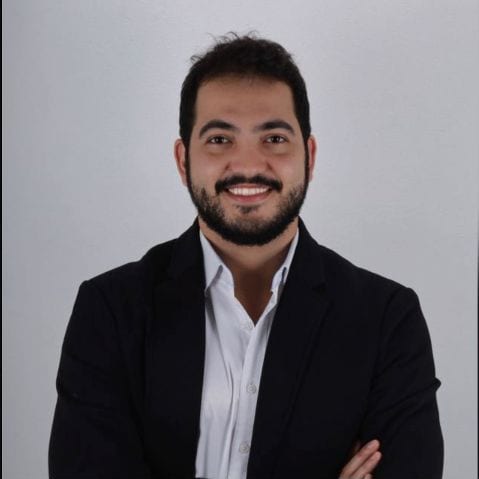
Dr. Giovanni Nascimento
Implant Dentist — Technical Director
CRO-BA 16772
Dr. Giovanni Nascimento is a dentist who graduated from the Escola Bahiana de Medicina e Saúde Pública, where he also completed his specialization in implant dentistry, with further training in advanced implant surgery in Miami, in the United States.
Beyond his clinical practice, he teaches courses and gives lectures on implant surgery in different regions of Brazil and, in 2025, served as an instructor in an advanced implant surgery program at the University of Barcelona.
At the institute, he personally leads every stage of the treatment: evaluation, digital planning, surgery, fitting of the prosthesis and maintenance. Keeping the case with a single clinician avoids noise between surgeon and prosthodontist — the professional who plans the prosthesis is the same one who positions the implant.
- Practice
- Implant dentistry and oral rehabilitation
- Education
- Escola Bahiana de Medicina e Saúde Pública
- License
- CRO-BA 16772, the Bahia dental council registration
- Hours
- Mon–Fri, 8 am to 6 pm
06
Team
Who welcomes you at the institute
The team is small and stable: besides Dr. Giovanni, two people accompany the patient from the first contact to the maintenance visit.
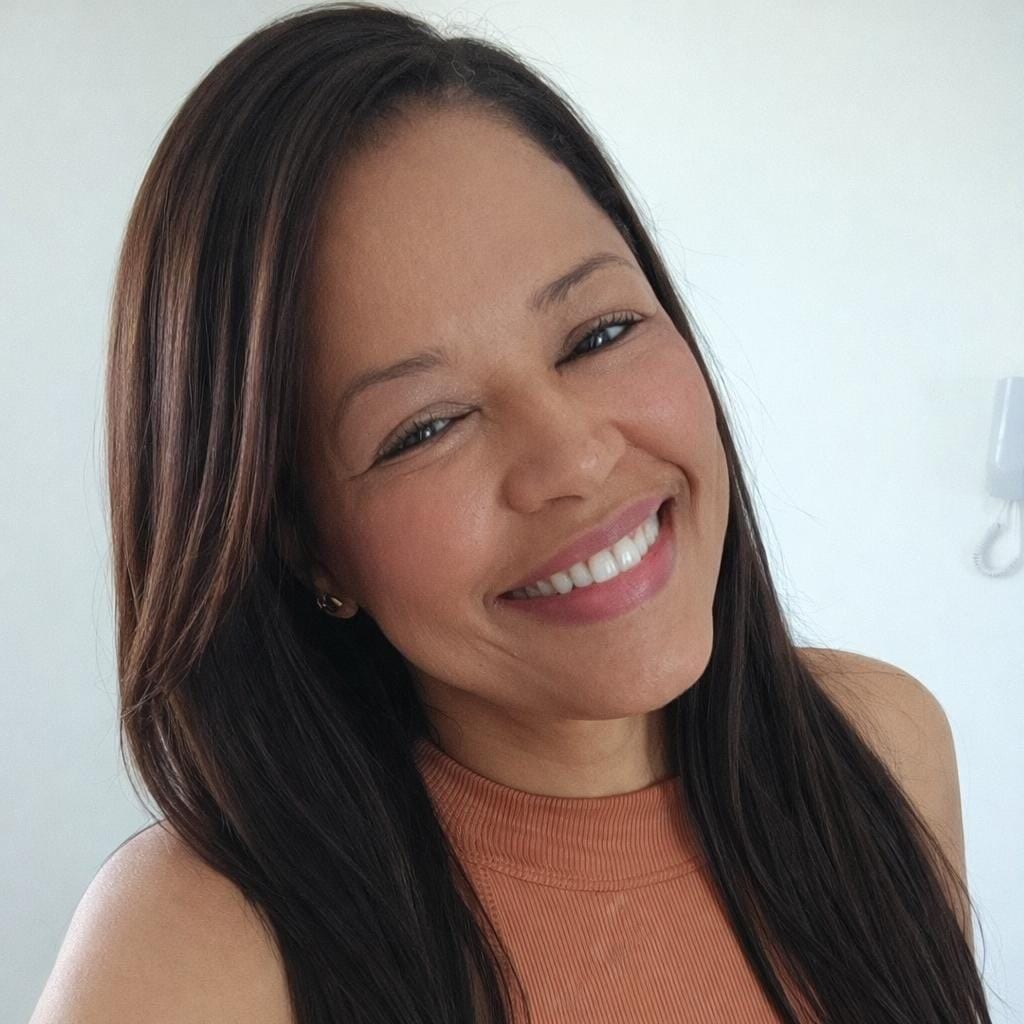
Lucicleide Aragão
Oral Health Technician

Andressa Devens
Receptionist
07
Stages
How a treatment unfolds
The path below is the complete course of an implant-supported rehabilitation. Not every case goes through every stage — the final plan is only settled after the CBCT scan.
01

Evaluation and diagnosis
Medical history, clinical exam and cone-beam CT scan. This is where bone volume and the position of the nerves and maxillary sinuses are measured — the data that determine whether an implant is viable.
02
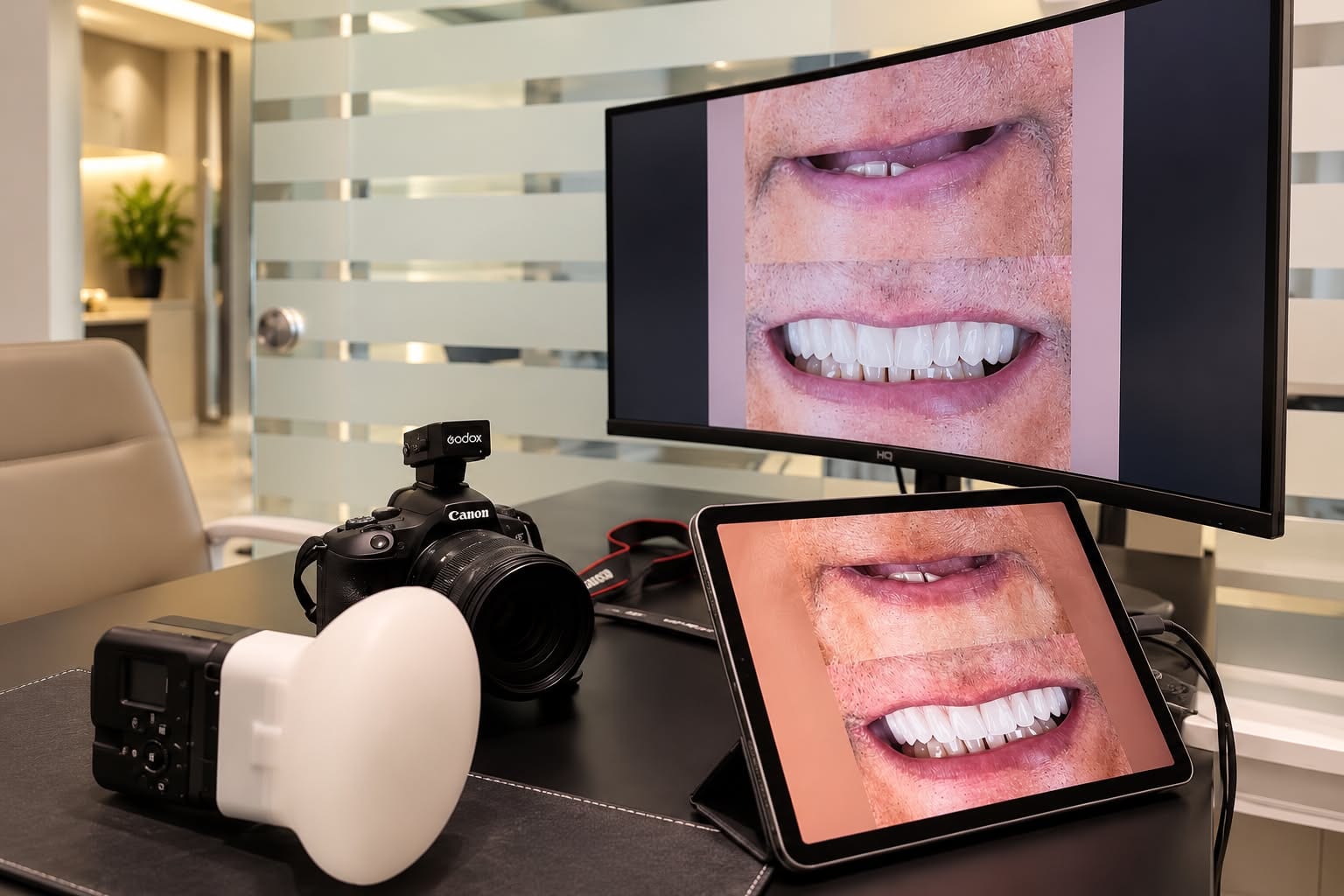
Digital planning
The implant is positioned virtually based on the tooth to be restored, not on the bone available. The surgical guide and the design of the provisional come out of this plan.
03
Bone preparation, when needed
If bone volume is insufficient, a bone graft or sinus lift precedes the implant. This stage has its own healing time before the next phase.
04
Implant surgery
The implant is placed under local anesthesia, with a surgical guide when indicated. It is an outpatient procedure, with post-operative instructions handed over in writing.
05
Osseointegration
The bone integrates with the surface of the implant over a few months. The time varies with the region and the quality of the bone, and is monitored at follow-up visits.
06
Final prosthesis
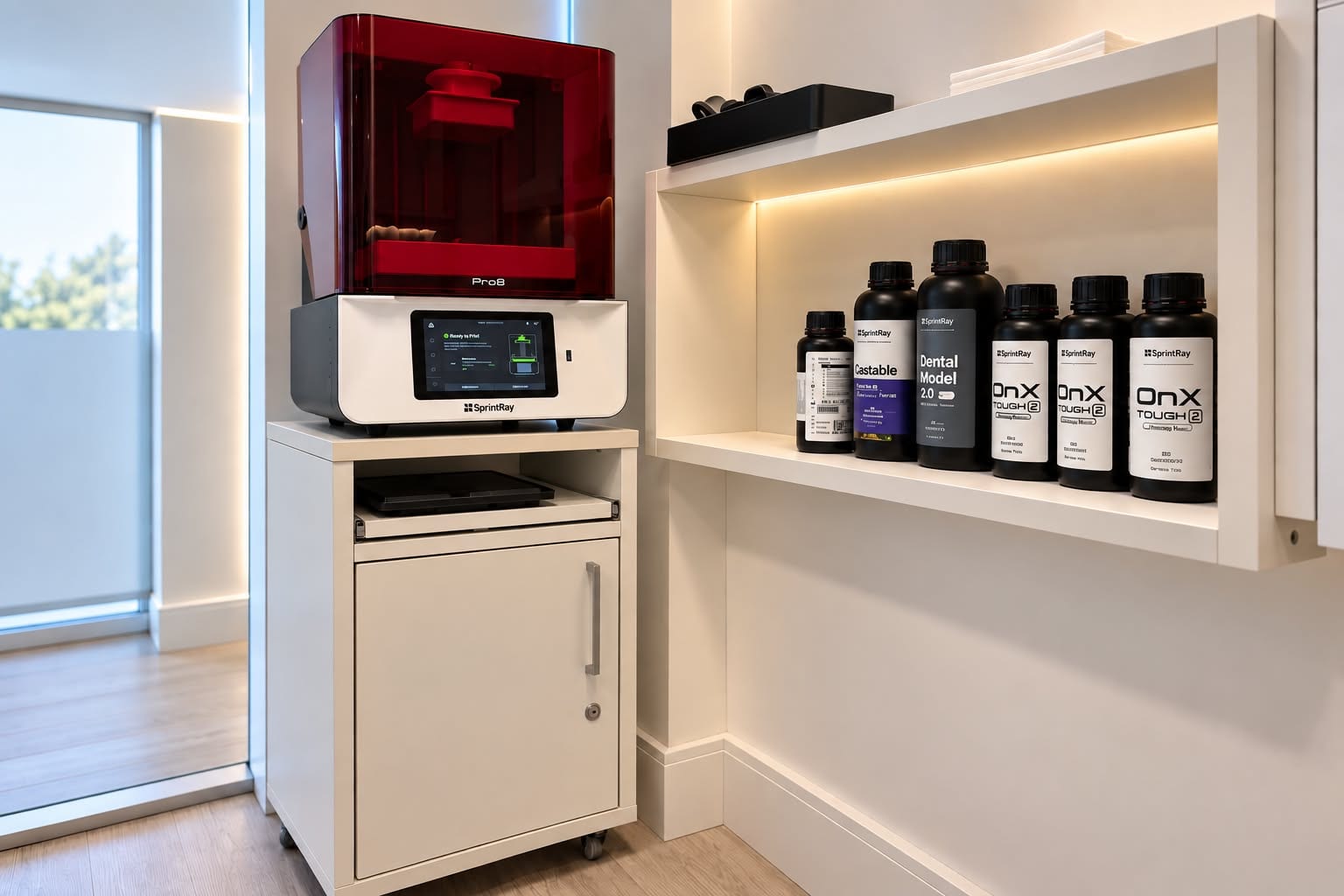
Impression or digital scan, try-in and fitting of the crown, bridge or fixed full-arch prosthesis. The occlusion is adjusted to distribute the chewing load evenly.
07
Maintenance
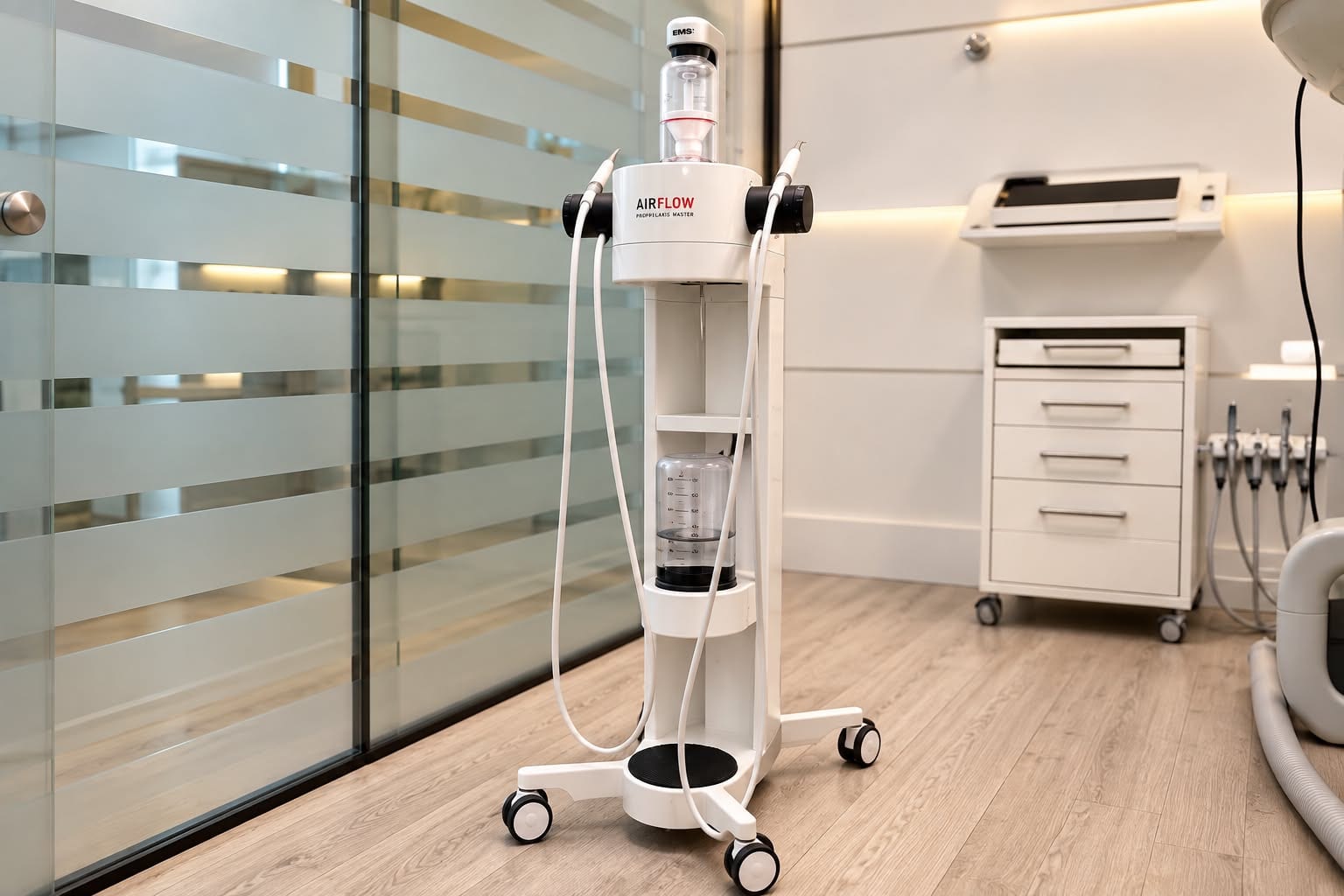
An implant cannot get cavities, but it depends on the health of the gum and bone around it. Periodic check-ups are what sustain the result over the long term.